 Fellow Canadians: All inFlow plans are available in Canadian dollars





Key takeaways
- Human error is often caused by excessive workloads, tight deadlines, fatigue, poor communication, unclear procedures, and manual processes rather than random mistakes.
- Businesses can reduce errors by setting realistic goals, maintaining appropriate staffing levels, and involving employees in planning workloads and deadlines.
- Standardized processes such as SOPs, checklists, visual instructions, and regular training improve consistency and reduce reliance on memory.
- Cloud-based document storage and version control ensure employees always have access to accurate, up-to-date information and reduce confusion caused by outdated documents.
- Automation, barcode scanning, and warehouse management systems reduce manual data entry, improve inventory accuracy, and provide real-time visibility that helps prevent costly mistakes.
- Manufacturing operations benefit from ongoing compliance and machine-safety training, while warehouses can reduce errors through effective labeling, storage reviews, barcode verification, and WMS-driven inventory controls.
Human error affects every workplace, from small offices to large manufacturing facilities. It can lead to lost productivity, wasted resources, and accidents or injuries. However, there are several steps that businesses can take to reduce their error risk, improving the efficiency of their operations and protecting their employees.
What causes human error in the workplace
While mistakes can never be eliminated entirely, most workplace errors aren’t random. They often stem from a handful of common causes, including excessive workloads, poor communication, unclear procedures, and manual processes. Understanding these causes is the first step toward reducing risk and creating more reliable operations.
Workload, time pressure, and fatigue increase mistakes
Setting goals and deadlines is essential for any business to stay competitive and grow. However, setting unreasonable goals and deadlines can harm employee morale and mental health and increase the likelihood of human error.
When businesses set deadlines that are too tight or goals that are too lofty, they end up piling too much work onto employees. This often leads to burnout, causing employees to become unproductive, anxious, and unenthused. As fatigue increases, concentration and attention to detail tend to decrease, making mistakes more likely.
To ensure that goals and deadlines are reasonable, businesses should solicit employee feedback about what is achievable. This helps ensure expectations match reality and reduces the risk of errors.
Beyond this, there are several other ways to set reasonable goals:
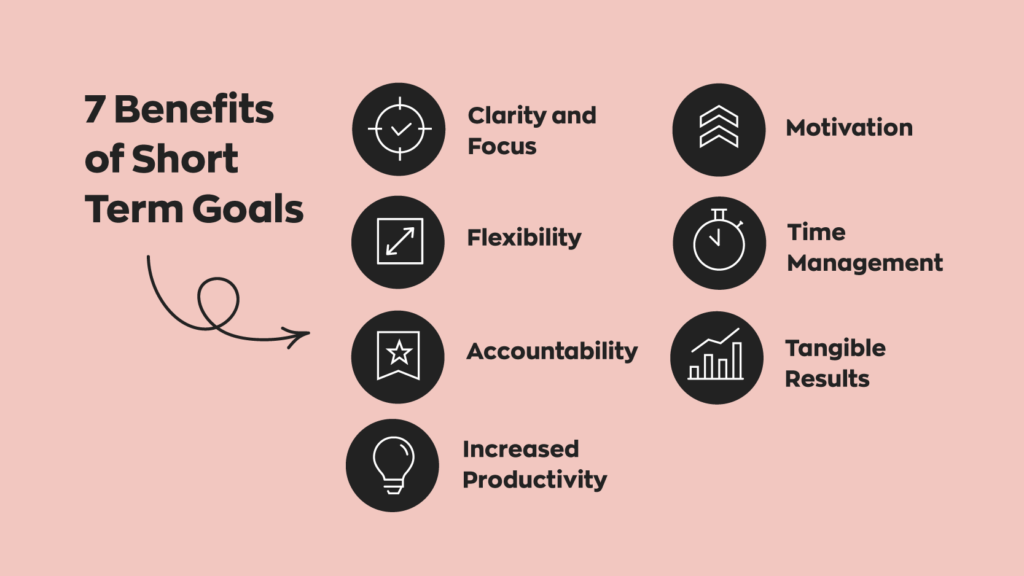
- Setting short-term goals that are easier to reach and gradually increasing the difficulty level.
- Allocating resources, such as people and budgets, in line with what is needed for each goal or deadline.
- Allowing for flexibility. Being too rigid in processes and procedures can cause frustration among employees, which can lead to mistakes when they try to complete tasks within a limited framework.
With incremental process changes, businesses can help employees better define and manage their work.
Unclear procedures and poor communication create avoidable errors
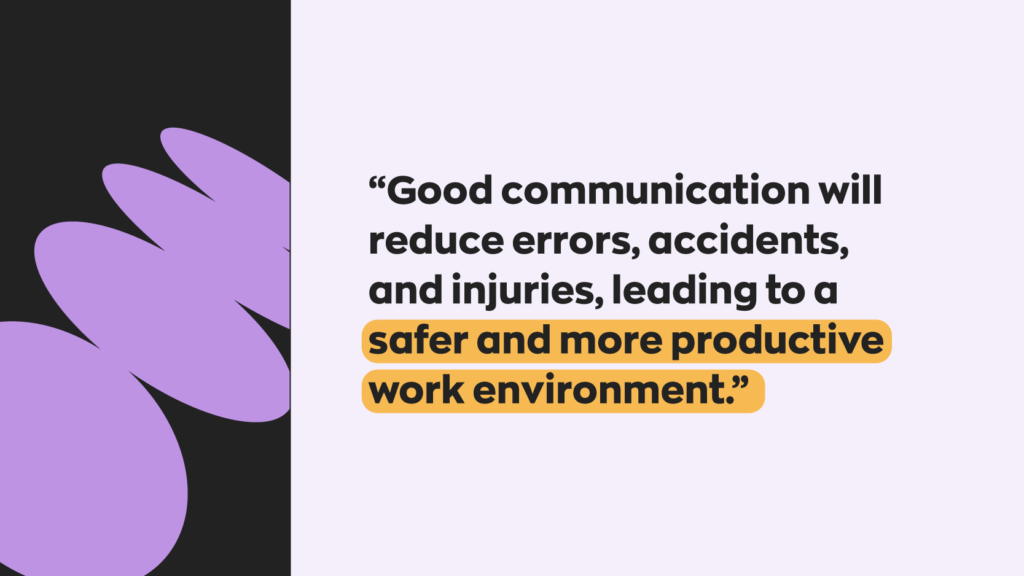
With multiple tasks, employees, and systems working together, clear and efficient communication is crucial. Poor communication increases the risk of misunderstandings, misinterpretations, and mistakes, all of which can have serious operational consequences.
Employees should understand who to report issues to, how information should be communicated, and where they can access important procedures. Without these guidelines, small errors can quickly turn into larger problems.
Businesses can improve communication by:
- Holding regular meetings.
- Developing a clear chain of command.
- Creating guidelines for reporting errors and incidents.
Open communication also creates opportunities to identify issues before they affect customers, inventory, production schedules, or workplace safety.
Manual data entry and low inventory visibility increase risk
Many workplace mistakes occur because employees are required to perform repetitive manual tasks. Whether entering customer information, updating inventory records, or tracking operational data, manual processes create opportunities for errors.
Small mistakes such as entering the wrong quantity, selecting the wrong item, or forgetting to update a record can create larger problems throughout the business.
Low visibility makes these issues even harder to identify. When employees don’t have access to accurate, real-time information, they often make decisions using outdated data. This can result in inventory discrepancies, stockouts, overstocks, delayed orders, and other avoidable mistakes.
Fortunately, many of these risks can be reduced through automation and inventory management technology, which we’ll explore later in this article.
Organizational controls that reduce workplace mistakes
Reducing human error isn’t just about fixing individual mistakes. It’s about creating systems and processes that help employees perform their jobs accurately and consistently.
Set realistic goals, deadlines, and staffing levels
One of the most effective ways to reduce workplace mistakes is to ensure employees have the time, resources, and support needed to complete their work properly.
When teams are consistently understaffed or overloaded, employees often feel pressured to prioritize speed over accuracy. This can increase the likelihood of mistakes, rework, and safety incidents.
Businesses should regularly review workloads, staffing levels, and operational demands to ensure expectations remain realistic and achievable.
Train employees for safety-critical tasks and refresh regularly
Training plays a critical role in reducing workplace errors.
Regular training ensures employees understand company procedures, safety requirements, and operational best practices. It also helps reinforce consistency across teams and departments.
For businesses operating in manufacturing, warehousing, or other high-risk environments, ongoing training is especially important. Employees should understand not only how to perform tasks correctly but also the consequences of failing to follow established procedures.
Regular refresher training can reinforce safety protocols, provide updates on changing regulations, and help employees stay current with evolving processes and technologies.
Improve supervision, escalation paths, and error reporting
Increasing oversight within a business can lead to better performance, fewer mistakes, and improved employee accountability.
Every organization is different, but several approaches consistently help reduce human error:
- Mandating procedural training: Procedural training familiarizes employees with company policies, processes, and best practices, promoting consistent performance and reducing errors. Standardization is key.
- Adding more managerial staff to each shift or department: This allows managers to monitor performance, provide guidance, and address issues promptly. When management is stretched too thin, mistakes are bound to go unnoticed.
- Utilizing technology: Technology tools can help businesses monitor activities, improve communication, and identify process bottlenecks before they create larger problems.
- Establishing performance metrics and goals: Key performance indicators and regular evaluations help create a results-driven work environment while identifying opportunities for improvement.
- Implementing an open-door policy: Encouraging communication between employees and management promotes transparency, accountability, and early problem identification.
Employees should feel comfortable reporting mistakes, near misses, and process issues without fear of punishment. This creates a culture of continuous improvement and helps organizations address root causes instead of repeatedly dealing with the same problems.
Process and documentation controls that prevent repeat errors
Even highly trained employees can make mistakes when procedures aren’t documented or information is difficult to access. Standardizing workflows and maintaining accurate documentation helps reduce variability, improve consistency, and prevent repeat errors.
Standardize work with SOPs, checklists, and visual instructions
When employers communicate procedures clearly to all employees and make them easily accessible, the likelihood of correct and efficient operations increases.
One effective approach is to create standard operating procedures (SOPs) supported by checklists, visual instructions, posters, and signage. These tools provide employees with a consistent reference point and reduce reliance on memory, especially for infrequently performed tasks or complex processes.
In operational environments such as warehouses and manufacturing facilities, visual communication can be particularly effective. One approach is to use posters and signs in strategic locations throughout the facility, particularly near specific operations or processes.
Using images and symbols in warehouse signage can significantly improve safety and efficiency by effectively communicating information, particularly to employees with different levels of literacy or language skills.
A few examples of effective visual instructions include:
- Step-by-step instructions for operating equipment.
- Cautions and warnings about hazardous materials and processes.
- Notifications about safety protocols and regulations.
- Reminders on how to lift heavy objects safely.
- Posters that describe the consequences of failing to follow procedures or regulations.
These types of precautions help create smoother, safer, and more consistent operations.
Use cloud backups and version control for critical documents
Backing up critical documents in the cloud is important for businesses of all sizes.
Traditional storage methods, such as physical files or local hard drives, are susceptible to loss, damage, and accidental deletion. By utilizing cloud storage, businesses can ensure valuable information is securely stored in a remote location, with multiple copies maintained for redundancy.
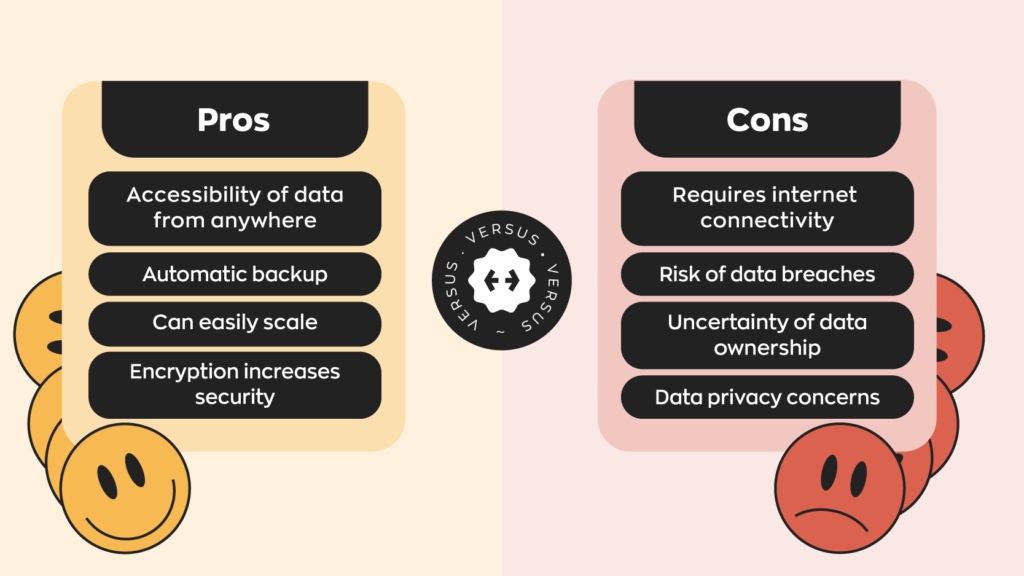
Cloud-based storage also improves accessibility for employees. Team members can access important documents from any device with an internet connection, making collaboration easier and reducing time spent searching for information.
This capability allows employees to work remotely or across multiple locations without requiring physical document transfers or local file access.
Version control provides an additional layer of protection. By maintaining a single source of truth for procedures, forms, and operational documents, businesses can reduce confusion and ensure employees are always working from the most current information.
Technology controls that reduce human error
Technology can help eliminate many of the repetitive tasks that commonly lead to workplace mistakes. By reducing manual effort and improving visibility, businesses can improve accuracy while allowing employees to focus on higher-value work.
Automate repetitive workflows to cut manual errors
Automating tasks saves money, reduces errors, and boosts efficiency.
Sustainable automation through tools and technology can help future-proof operations by minimizing resource waste and maximizing productivity. It also allows employees to focus on higher-level problem-solving and strategic initiatives rather than repetitive administrative work.
For example, businesses may implement customer relationship management (CRM) systems to improve customer service, automate reporting processes, or utilize analytics software to identify trends and opportunities in operational data.
While automation cannot eliminate every mistake, it can significantly reduce errors caused by repetitive manual tasks and data entry.
Use barcode scanning to improve inventory accuracy
Implementing a barcode scanning system is one of the most effective ways to reduce inventory-related errors.
Barcode scanning systems use barcodes to track inventory and provide real-time information about product locations and movement throughout a facility. Rather than relying on manual entry, employees can quickly scan items to record transactions accurately.
Barcode labels can be applied to shelves, inventory, and assets, making it easier to identify products and monitor their movement throughout the warehouse.
In addition to reducing errors, barcode systems improve traceability and help businesses maintain more accurate inventory records. This makes it easier to locate products, investigate discrepancies, and improve overall inventory control.
While implementing a barcode system may seem like a significant undertaking, most businesses can successfully deploy one with the right planning, tools, and processes.
Use a warehouse management system for real-time visibility
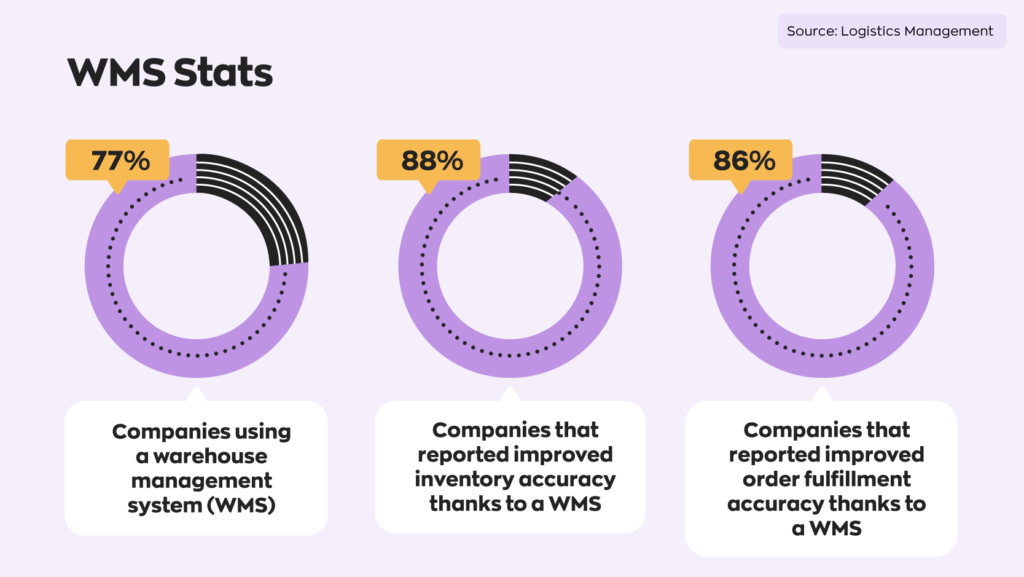
A warehouse management system (WMS) is a software application that helps businesses manage and track inventory, orders, and shipments.
WMS software can automate many tasks that were previously performed manually, including tracking inventory levels and locations, managing order fulfillment, and providing real-time visibility into warehouse operations.
With a WMS, businesses can reduce human error by minimizing reliance on manual processes and improving data accuracy. For example, the software can provide real-time inventory information, helping prevent errors that result from stockouts or overstocks.
Many systems can also automatically generate pick lists, reducing the need for manual data entry and minimizing the potential for mistakes.
By combining automation, inventory visibility, and process controls, a warehouse management system helps create a more accurate and efficient operation.
How to reduce human error in manufacturing and warehouse operations
While many error-prevention strategies apply across industries, manufacturing and warehouse environments face unique challenges. These operations often involve complex equipment, large inventories, fast-moving workflows, and safety risks that increase the consequences of mistakes.
Manufacturing examples
Manufacturing facilities face unique challenges when it comes to reducing human error and managing risk. Unlike office environments or retail settings, manufacturing operations often involve complex machinery, high-speed production lines, and hazardous materials.
As a result, the stakes are considerably higher. Errors can lead to costly downtime, compromised product quality, regulatory issues, or serious employee injuries.
Compliance and machine-safety training
Regular compliance training is critical for reducing risk and preventing accidents in manufacturing environments.
Training helps employees understand regulations, operating procedures, machine-safety requirements, and workplace safety protocols. It also ensures employees stay informed about changes to regulations, equipment, and best practices.
Just as importantly, training helps employees understand the potential consequences of failing to follow procedures, including financial penalties, legal action, equipment damage, and workplace injuries.
By making compliance and safety training an ongoing process rather than a one-time event, businesses can create a stronger safety culture and reduce the likelihood of costly mistakes.
Workstation instructions, signage, and hazard communication
Even experienced employees benefit from clear visual reminders.
Workstation instructions, safety signage, labels, and hazard communication materials help employees perform tasks consistently while reducing reliance on memory. This is particularly valuable in environments where multiple processes occur simultaneously or where employees rotate between workstations.
Visual communication can include:
- Equipment operating instructions
- Hazard warnings and safety notices
- Lockout/tagout procedures
- Personal protective equipment (PPE) requirements
- Quality-control checkpoints
- Emergency response instructions
Providing clear instructions at the point of work helps reduce confusion and ensures employees have access to critical information when they need it most.
Warehouse examples
Warehouses have their own set of challenges when it comes to error reduction and risk management. Inventory movement, order fulfillment, receiving, storage, and shipping all create opportunities for mistakes if processes aren’t carefully managed.
Preventing these errors requires targeted strategies that address the realities of warehouse operations.
Layout, slotting, labeling, and storage reviews
Regularly reassessing storage practices is one of the most effective ways to reduce warehouse errors.
Evaluating the warehouse layout and organization can uncover opportunities to improve efficiency, reduce travel time, and prevent picking mistakes. When conducting storage reviews, several factors should be considered:
- Clear labeling: All shelves, bins, storage locations, and products should use consistent, easy-to-read labels.
- Accessibility: Inventory should be easily accessible for all employees, including those with disabilities.
- Demand: High-demand products should be stored in convenient locations to reduce unnecessary searching and handling.
- Safety: Heavy items should be stored on lower shelves, while hazardous materials should be secured and separated from general inventory.
Regular reviews help ensure warehouse layouts continue to support operational needs as inventory levels, product mixes, and customer demand change over time.
Picking, receiving, and transfer controls with WMS and barcodes
Many warehouse mistakes occur during receiving, picking, inventory transfers, and shipping.
Implementing a warehouse management system alongside barcode scanning creates verification checkpoints throughout these workflows, reducing the likelihood of human error.
For example:
- Receiving staff can verify incoming products against purchase orders.
- Warehouse workers can confirm they are picking the correct item and quantity.
- Inventory transfers can be tracked automatically between locations.
- Managers can monitor inventory movement in real time.
Together, barcode scanning and warehouse management software reduce reliance on manual data entry while improving inventory accuracy and operational visibility.
The result is fewer fulfillment mistakes, more accurate inventory records, and a more efficient warehouse operation overall.
Conclusion
Human error is an unavoidable part of business, but that doesn’t mean organizations are powerless to reduce it.
Many workplace mistakes stem from common issues such as excessive workloads, poor communication, unclear procedures, and manual processes. By addressing these root causes, businesses can create safer, more efficient operations while reducing costly errors.
The most effective approach combines organizational controls, documented processes, employee training, and technology. Clear procedures, regular training, cloud-based documentation, automation, barcode scanning, and warehouse management systems all help create systems that are less dependent on memory and manual work.
Whether you’re managing a manufacturing facility, warehouse, or growing business, investing in error-prevention strategies can improve productivity, increase accuracy, and help employees perform their jobs with greater confidence.
After all, reducing human error isn’t about expecting perfection. It’s about building processes and systems that help people succeed.
FAQ
What are the main types of human error?
Most safety frameworks split human failure into four types. Slips are actions done wrong (scanning the wrong bin). Lapses are forgotten steps. Mistakes happen when someone follows the wrong plan, and violations are deliberate shortcuts around a procedure. Knowing which type you’re dealing with matters, because each needs a different fix. Checklists catch lapses, training corrects mistakes, and barcode scanning or automation removes many slips entirely.
Can automation reduce operational costs?
Yes, especially when it targets repetitive, high-volume work like data entry, reorder calculations, and pick list creation. Some of the savings come from fewer hours spent on admin. The rest comes from avoiding the costs that errors create downstream, like reshipping a wrong order, writing off miscounted stock, or rushing an emergency purchase. The biggest wins usually come from automating the tasks your team repeats most often.
How can manufacturers prevent defects caused by human error?
Start by mistake-proofing the process itself. This approach is known as poka-yoke, Japanese for “mistake-proofing.” It designs steps so errors are hard or impossible to make. Examples include fixtures that only fit one way and sensors that stop the line when a part is missing. Pair that with in-process quality checks so defects get caught at the station, not at final inspection.
Can barcode verification improve inventory accuracy?
Yes. Scanning only reduces errors if your labels actually scan. A barcode verifier grades print quality on an A–F scale against ISO/IEC standards. It flags faded, smudged, or poorly printed labels before they reach the shelf. That matters because a label that won’t scan tempts workers to type the number in by hand, which brings back the exact errors barcoding was supposed to remove.
What software helps reduce human error in inventory management?
Look for inventory or warehouse management software that combines barcode scanning, real-time stock levels, and automated reorder points. inFlow, for example, lets teams scan items during receiving, picking, and transfers with a smartphone or scanner, so every movement updates your records instantly. That replaces spreadsheets and manual counts with one accurate source of truth (and fewer “where did that box go?” moments).
need information
Hey Anas,
Could you be more specific. I would love to help if I can.
Cheers,
Jared
You clearly know what you’re talking about. I enjoyed reading this.
Hey Trista,
Thanks for stopping by 🙂 We try our best to provide our readers with valuable, actionable insights. If you like our content please consider subscribing to our newsletter at the bottom of this page to stay up to date with all our new content.
Cheers,
Jared
I like the way you explained the concept here. Very clear and informative.
Hey Regina,
Thanks so much! We aim to make things as easy to understand as we can. Glad you enjoyed it 🙂
Cheers,
Jared
I appreciate the examples you used. The conclusion was very strong. This motivates me to keep learning.
Hey Olga,
Thanks for reading. If you’re looking for more content please consider subscribing to our newsletter at the bottom of this page. We release content regularly that’s aimed to entertain and educate.
Cheers,
Jared